

Category Archives: Branding
ImageKatherine James Jewellery Custom Content, April 2021
Comments Off on Katherine James Jewellery Custom Content, April 2021
04/01/2021 in Katherine James Jewellery
Tagged coloured gemstones, Edwardian jewellery, engagement rings, jewellery, jewellery design, jewellery history, Jewelry
Katherine James Jewellery Custom Content, January 2021

Purple Reign
How Amethyst evolved from an elitist status symbol to one of the world’s most popular coloured gems.
Sapphire and Tanzanite may both occur in purple, but there is no doubt that Amethyst has the market cornered when it comes to Violet-hued gemstones. In fact, its attractive colour, wide availability, and affordable price point have all helped to secure its status as one of the most popular coloured gemstones, period.
The colour purple alone has quite a rich history. It was once considered a magical occurrence that could turn heads and drop jaws. It was so obscenely difficult and expensive to recreate out of nature, that the pigment (usually made from sea mollusks) was reserved solely for the clothing dye of royal or religious figures. That all changed when a chemist accidentally created a purple pigment in 1856, which was eventually named “Mauveine.” This new invention brought Mauveine to the masses, and soon the colour purple was the must-have hue for everyone. Its popularity among the masses couldn’t even deter the who’s who of the day from wearing it. Instead, Queen Victoria and Empress Eugenie (the wife of Napoleon III) were seen wearing Mauveine dresses at major society events. But, which jewels should one wear with their new purple wardrobe? Amethysts, of course!
Coincidently, around this same time, Amethysts had their own change of fortune. Until the 19th century, Russia remained the major global source of Amethyst, making it scarce and extremely valuable, along with Diamonds, Rubies, Emeralds and Sapphires. The allure of its unique purple colour and rarity made it a focal point of religious and royal crown jewels for ages. However, in the 1800s, a massive deposit discovered in Brazil lead to Amethysts flooding the market, which caused them to lose a touch of their aura and status in the upper echelons of society. The rest of the world, however, fell in love with the unique purple stone they once could only admire from afar, and Amethysts became a major feature in Victorian-era jewels, all at the height of Mauveine madness!
The name Amethyst comes from the ancient Greek word for “not intoxicated.” Revered by the Ancient Egyptians, Greeks and Romans, the stone is said to have gotten its trademark hue from the grapes of Bacchus, God of Wine. Believing the magic stone could prevent overindulgence and intoxication, among other medicinal properties, both the Greeks and Romans placed the stones in their wine goblets before indulging, while some really posh citizens actually drank their wine from goblets made of Amethyst.
Today, Amethyst deposits can be found all over the world, including Canada, India, Mexico, Myanmar, Sri Lanka and the United States. However, the most prolific sources remain Brazil, and other parts of South America, and Zambia, and other parts of Africa. Amethyst is a quartz, made of silicone and oxygen, which grows in large, single or twinned crystals, similarly to other gem-quality quartz, including Citrine, Rose, Rock and Smoky Quartz.
Generally found in large geodes (which have a market all their own), Amethyst quartz actually gets its violet hue from trace amounts of Iron (sorry, Bacchus), which causes a colour centre in the gem. The colour centre often causes the gem to grow with a saturated purple tip, which eventually fades to colourless Rock Crystal further down the crystal. This makes gems with a vivid and strongly saturated violet-purple to reddish-purple colour the most valuable. However, more pastel and pinkish-lavender shades have also become popular in recent years, and are sometimes called Rose de France Amethysts.
Regardless of saturation, Amethysts should always be eye-clean at any size, and without any brown or greyish tint, and with an even colour saturation. They are also sometimes colour-zoned with other shades, including yellow Citrine, which is called Ametrine. Most Amethysts are heat treated to achieve their ideal hue, including green Amethysts, which rarely occur naturally and are most often the result of heat treatment in several stages.
While they may be much easier to acquire now than when they were considered the height of Royal fashion and status, Amethysts, which are the birthstone of February and also specifically represent the zodiac symbol of Aquarius (regardless of birthdate), are a stunning, much sought-after gemstone with an exclusive and unparalleled colour which continues to speak for itself.
Comments Off on Katherine James Jewellery Custom Content, January 2021
Posted in Branding, Katherine James Jewellery
Tagged Amethyst, Ametrine, citrine, coloured gemstones, Custom Content, Email Newsletter, Gemologist, jewellery, jewellery consultant, jewellery writer, purple gemstones, Victorian jewellery
Katherine James Jewellery Custom Content, October 2020
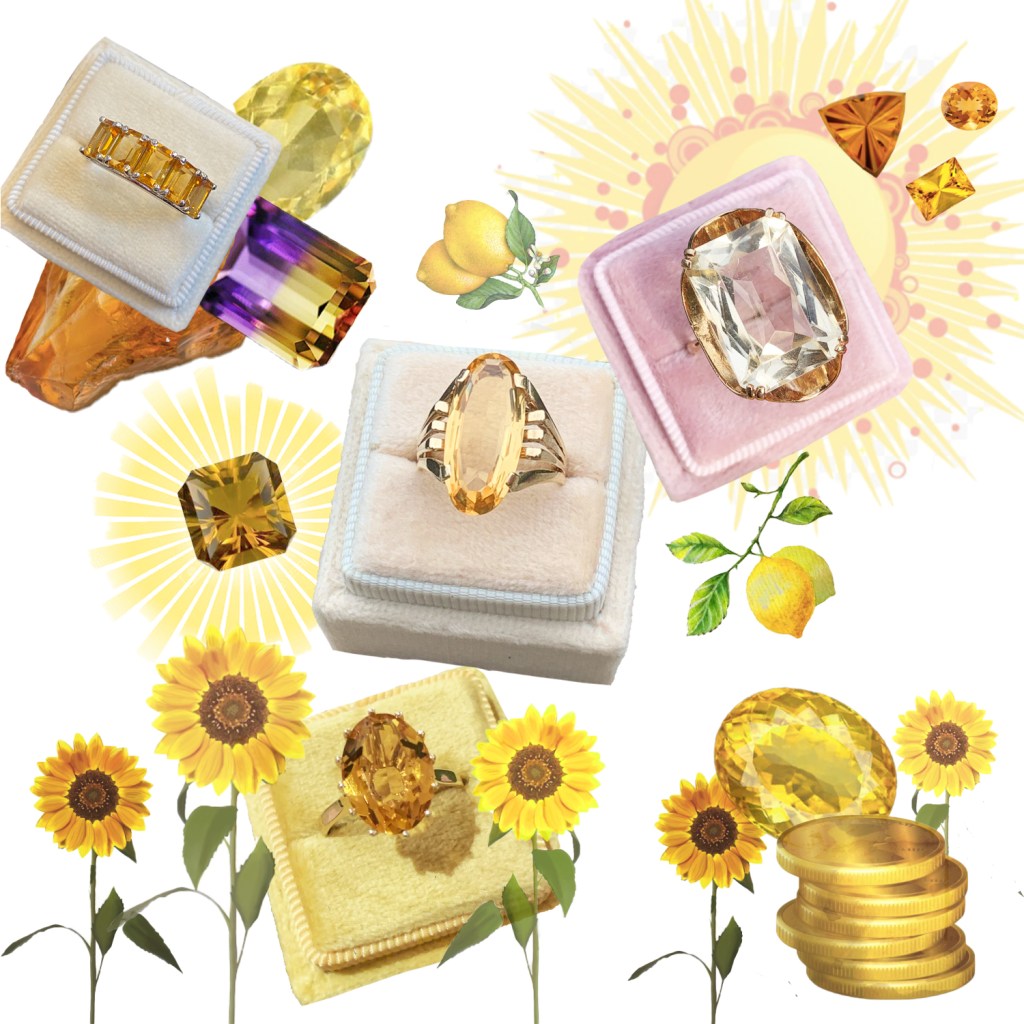
A Spot of Citrine
Who can resist a drop of precious, year-round sunshine?
November’s birthstone and the sunny golden child of the gem world, Citrine is a transparent yellow to brownish-orange variety of quartz. Some might consider it the peppy little sister of the most prized variety of quartz, Amethyst. However, its lively and attractive colour make it highly sought-after all its own, like a refreshing splash of lemonade on a hot summer afternoon. The top-selling yellow gem, Citrine can be an excellent alternative to both Topaz and Yellow Sapphire.
Citrine gets its trademark hue from traces of Iron. The most prized colour is a highly saturated yellow, however, its earthy shades of cognac brown and fire orange are equally popular in today’s jewellery market. Pale shades of Citrine, which sometimes have a tint of green, are also sometimes referred to as “Lemon Quartz.”
Citrine is mined in several places around the world, including Brazil, Bolivia, Spain, Madagascar and Mexico. In eastern Bolivia, close to the Brazilian border, you can find naturally bicoloured stones with colour zones of both Amethyst purple and Citrine yellow, which is appropriately called Ametrine.
Since Citrine is available in large sizes with little to no eye-visible inclusions, it remains reasonably priced even in eye-widening carat weight. This, combined with its excellent durability make it fantastic for use in head-turning cocktail rings and other statement pieces such as pendants and bracelets. Catherine, the Duchess of Cambridge, is also known to have a large Citrine ring (thought to be from her personal collection, pre-marriage), which she still wears on occasion, including to the wedding of the Duke and Duchess of Sussex.
Also a gift to celebrate thirteenth anniversaries, Citrine’s jovial hue and generous sizes symbolize joy and abundance. It became particularly popular during the second World War and in the years following with luxury houses such as Cartier, when gems such as Sapphire and Emerald became too difficult and expensive to source and transport. This certainly adds to their symbolism of being a ‘feel-good’ gem meant to embody optimism and an overall cheerful approach. They’ve also been known as the ‘Merchant’s Stone,’ since they represent prosperity and have been thought to increase business, profits and overall wealth. (Yes, please!)
Like turning your face to a warm spot of sunshine, Citrines are like an instant hit of vitamin D, jolting you (or your outfit!) with dynamic energy, delight and positivity.
Comments Off on Katherine James Jewellery Custom Content, October 2020
Posted in Branding, Katherine James Jewellery
Tagged citrine, coloured gemstones, Custom Content, Email Newsletter, jewellery history, quartz, yellow gemstones
Lindt The Season, Holiday 2018
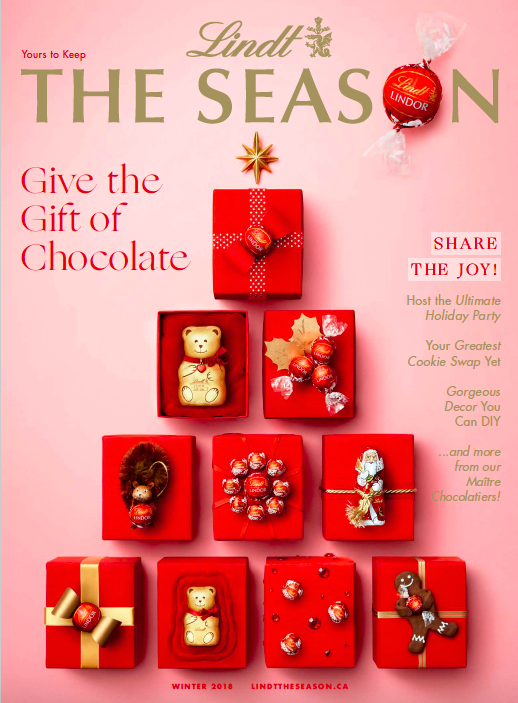
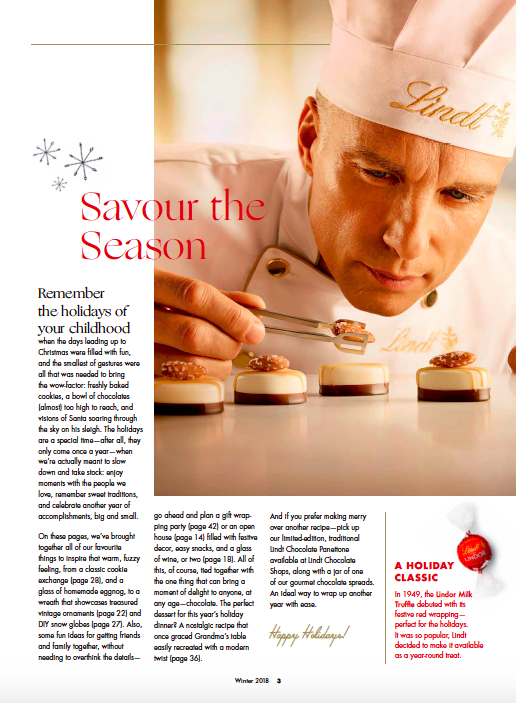

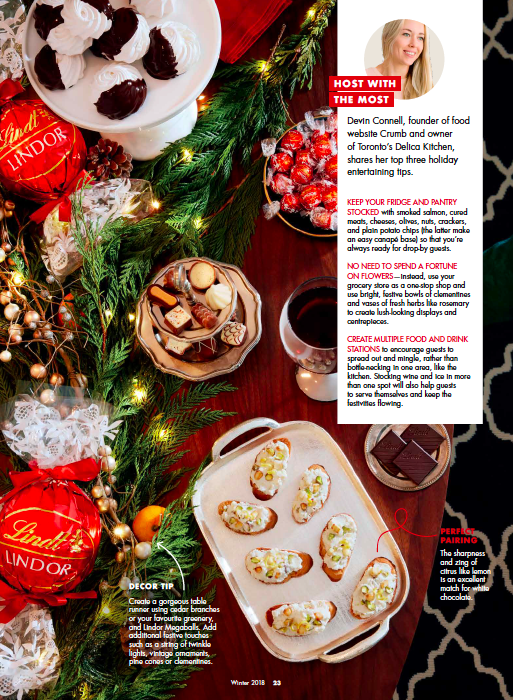
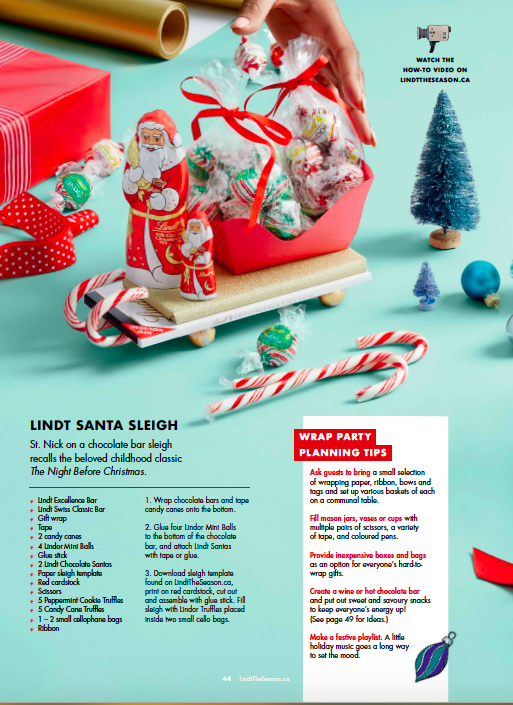
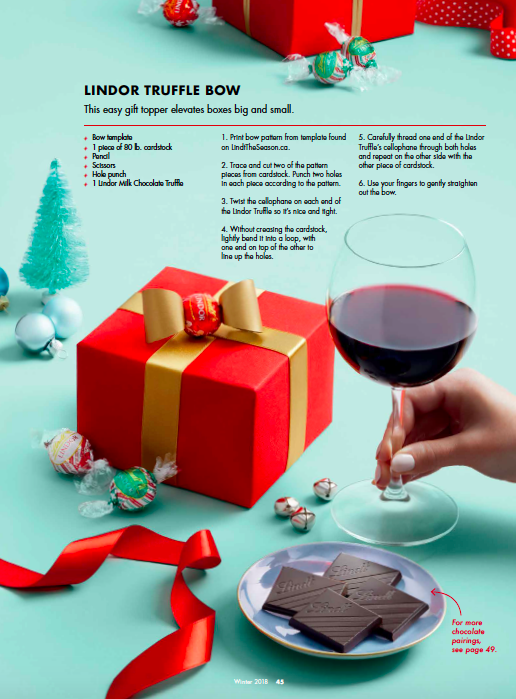
Comments Off on Lindt The Season, Holiday 2018
Tagged baking, chocolate, Christmas ideas, Christmas recipes, culinary, food trends, gift guide, Holiday 2018, lifestyle, Lindt, recipe, The Season
LindtExcellence.com


Comments Off on LindtExcellence.com
Tagged chocolate, Custom Content, How to Pack a Picnic, Lindt, Lindt Excellence, Picnics
LindtExcellence.com


Comments Off on LindtExcellence.com
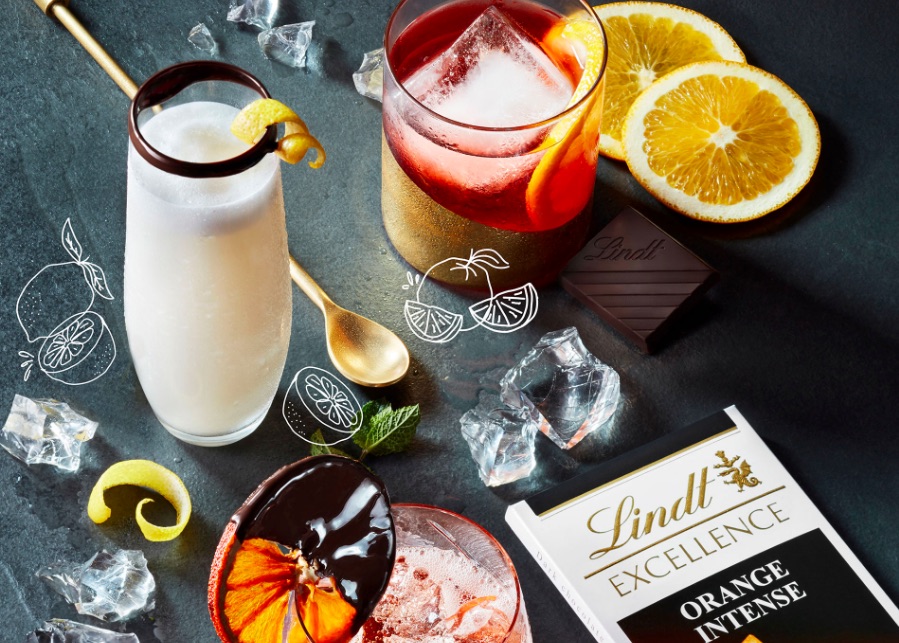
Tagged Amari and Chocolate, chocolate, Custom Content, Italian Cocktails, Lindt, Lindt Excellence, Summer Cocktails
LindtExcellence.com


Comments Off on LindtExcellence.com
Tagged Chocolate Expertise, Custom Content, Grating Chocolate, Lindt, Lindt Excellence, Shaving Chocolate
LindtExcellence.com



Comments Off on LindtExcellence.com
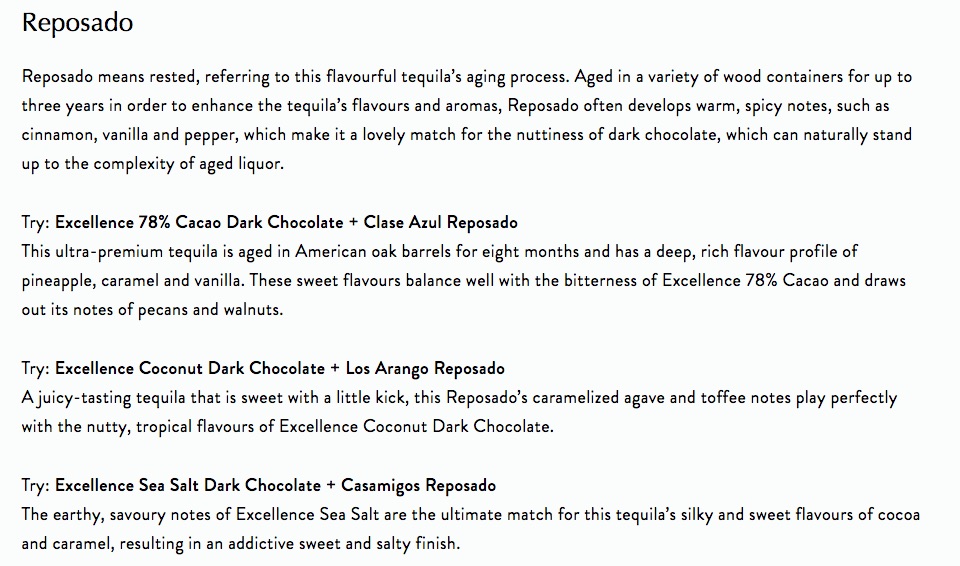
Tagged Chocolate Pairings, Custom Content, Dark Chocolate, Lindt, Lindt Excellence, Tequila Pairings
Elle Canada, Fall 2016
Comments Off on Elle Canada, Fall 2016
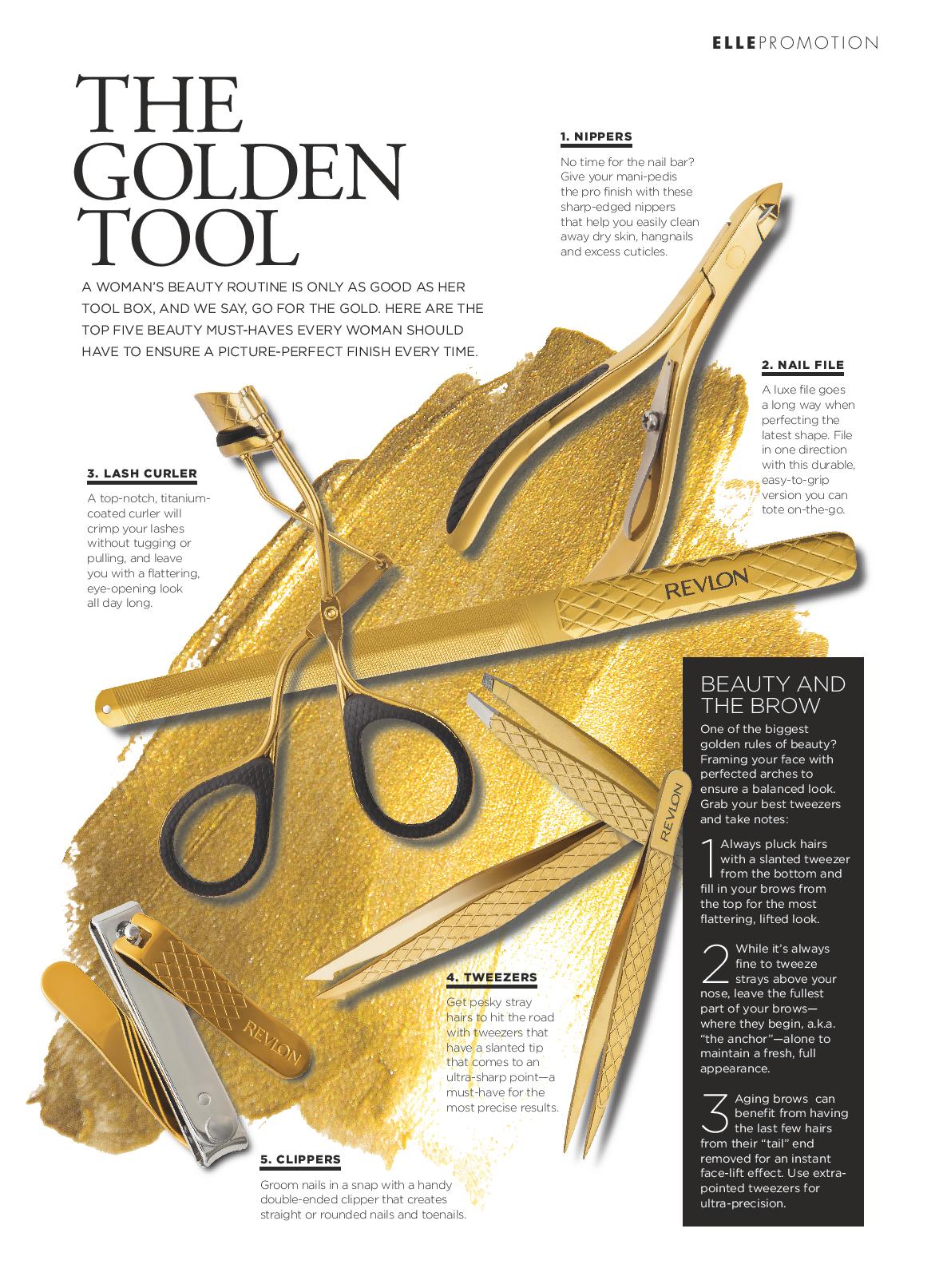
Tagged Advertorial, Elle Promotion, nail, nail tools, Revlon
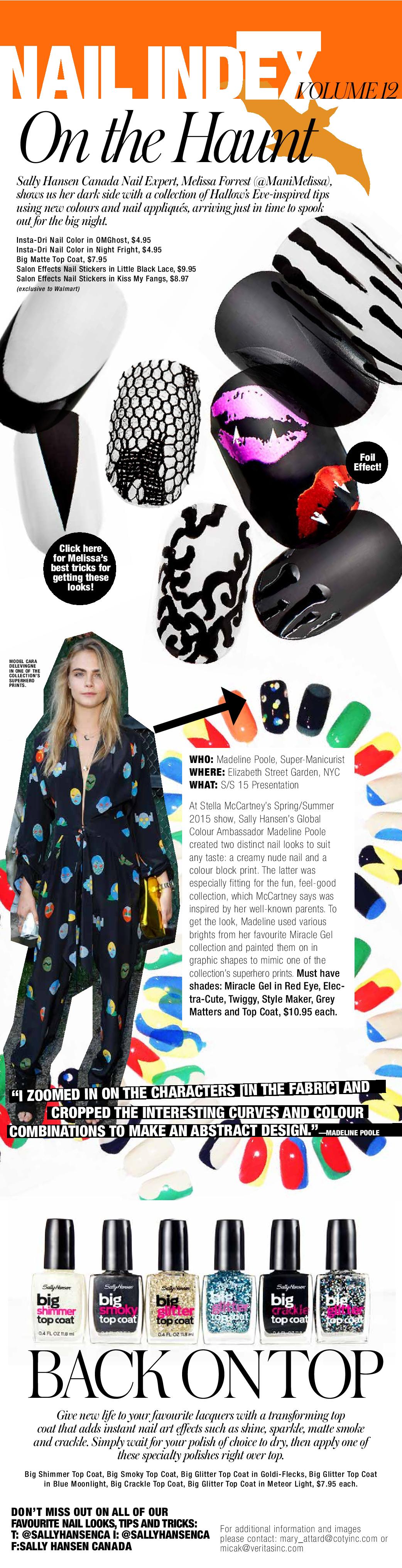
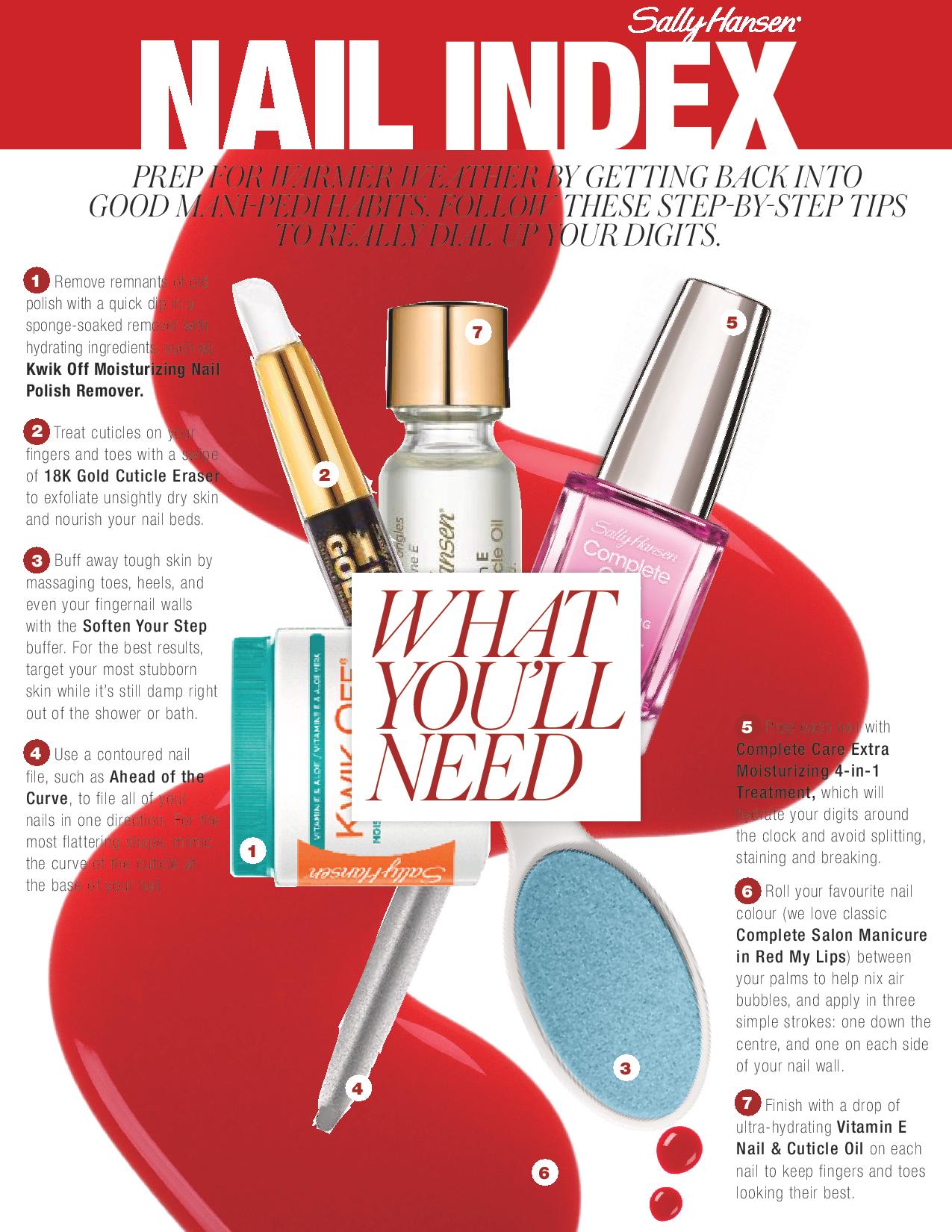
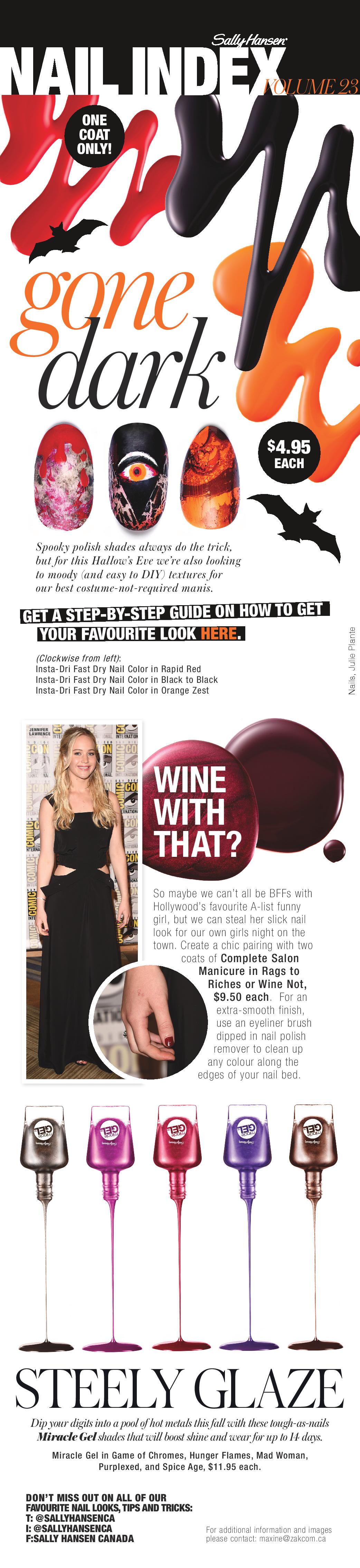
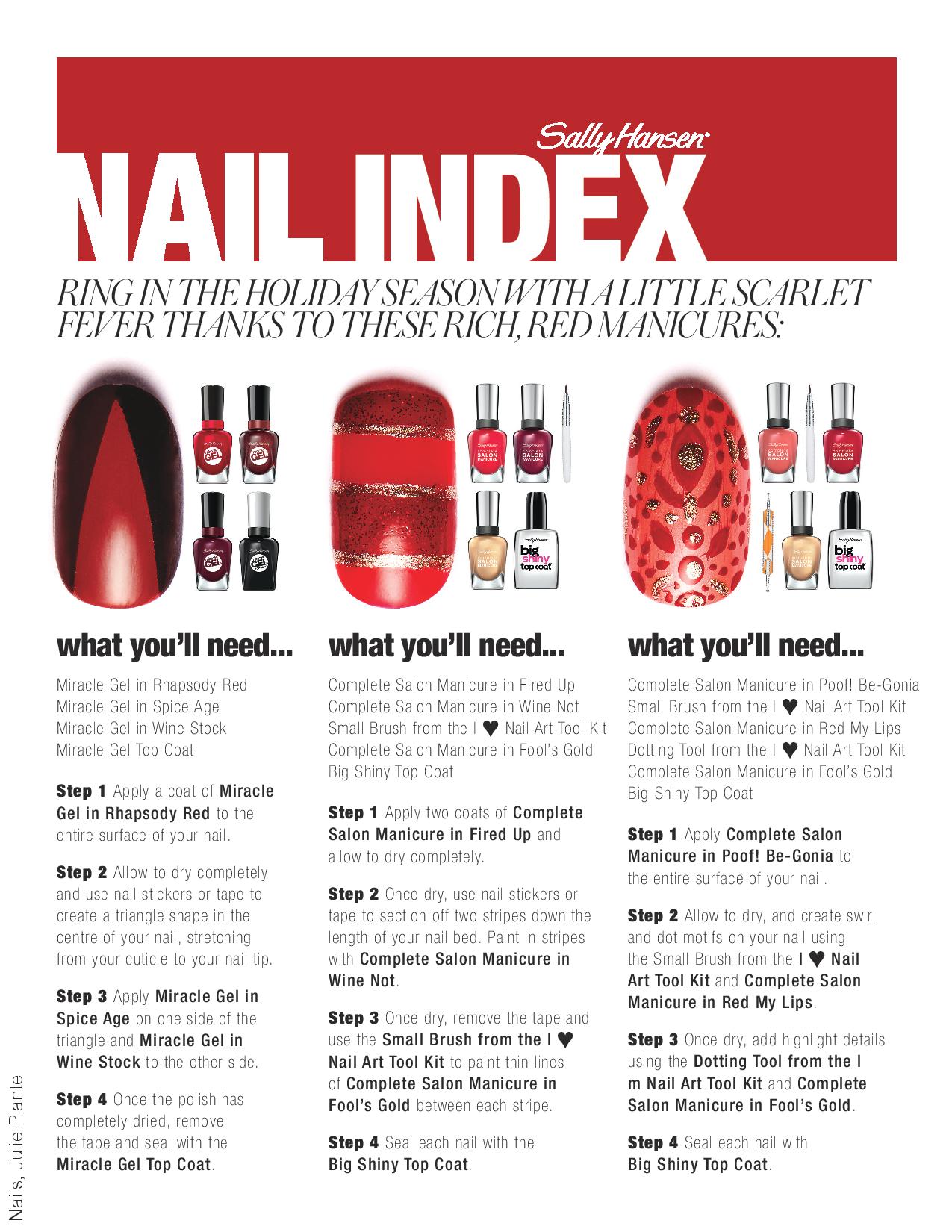
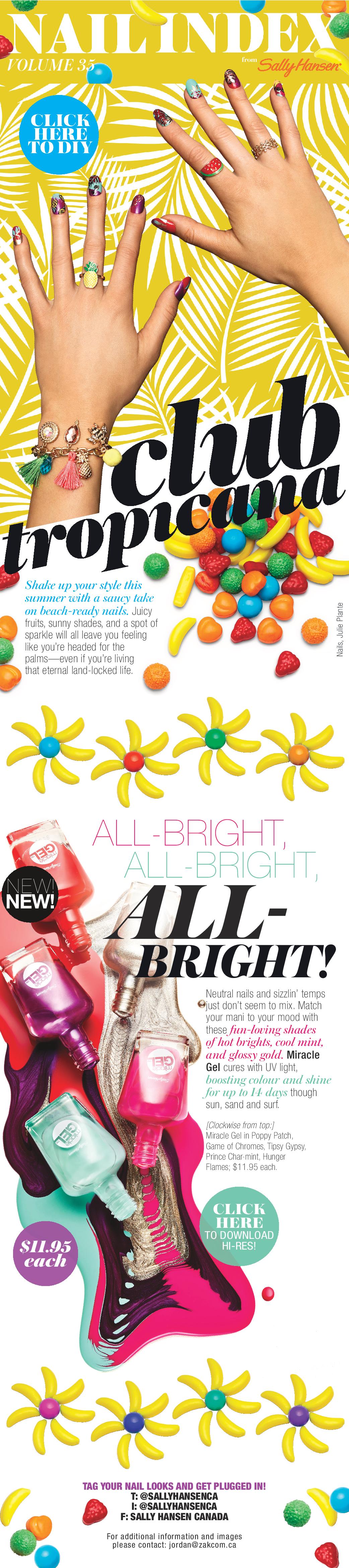
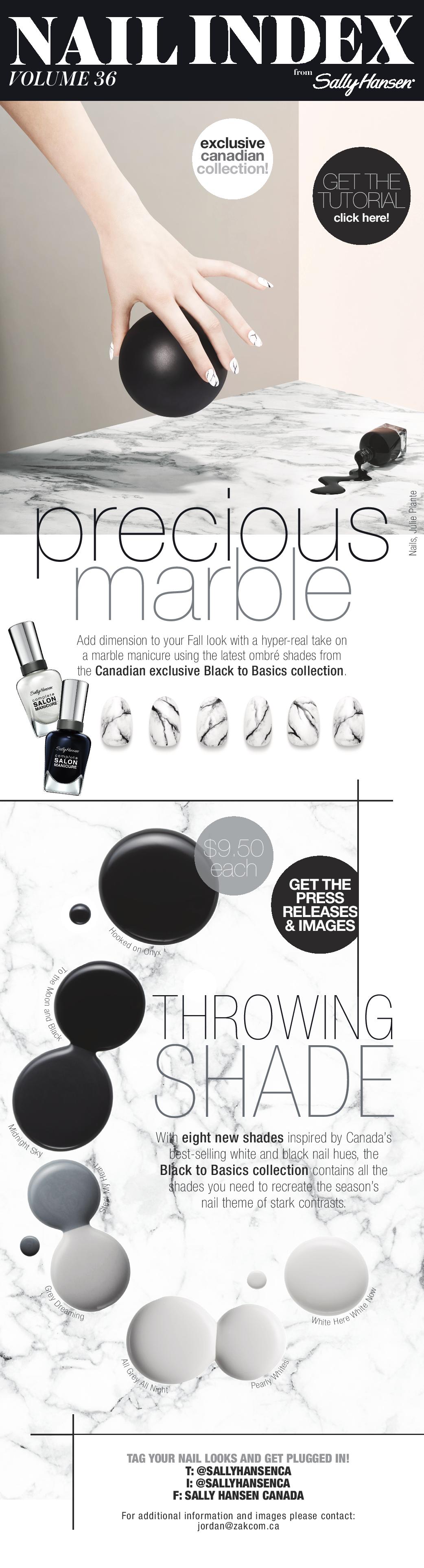
Nail Index by Sally Hansen, Email Newsletters Volumes 8 – 43









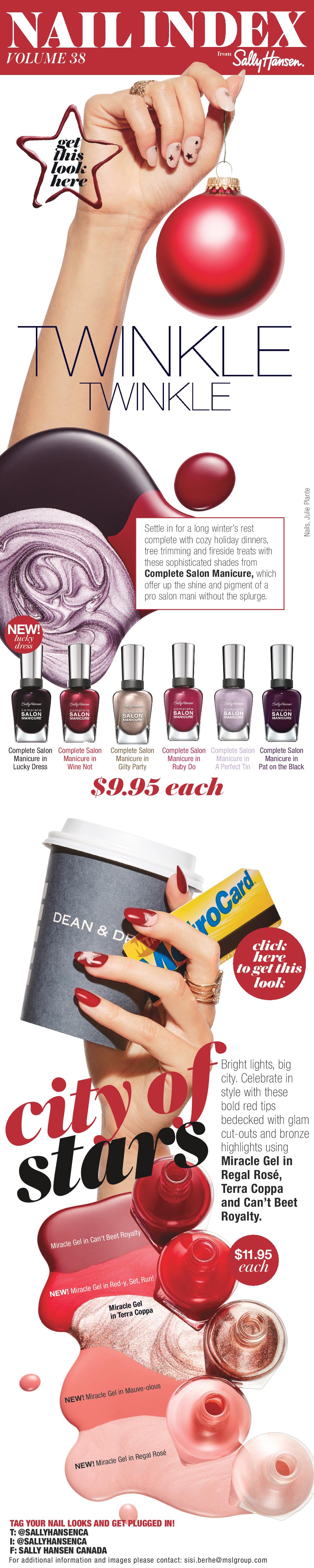

Comments Off on Nail Index by Sally Hansen, Email Newsletters Volumes 8 – 43
Posted in Branding, Sally Hansen, Uncategorized
Tagged celeb trends, content creation, digital, email, Madeline Poole, Nail Index, nail polish, nail trends, nails, newsletters, Sally Hansen
 Megan Kirkwood
You must be logged in to post a comment.